Skip to content
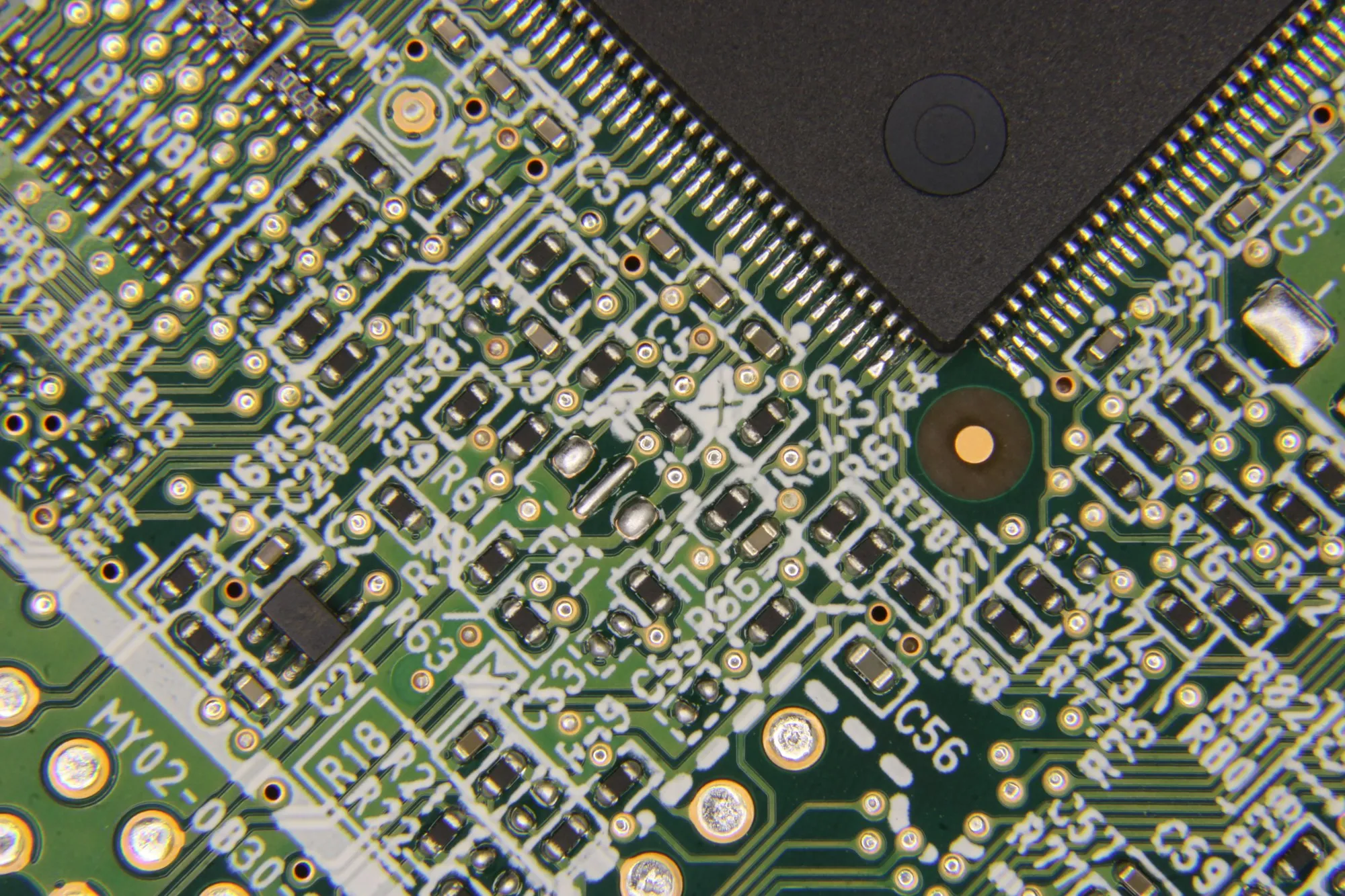
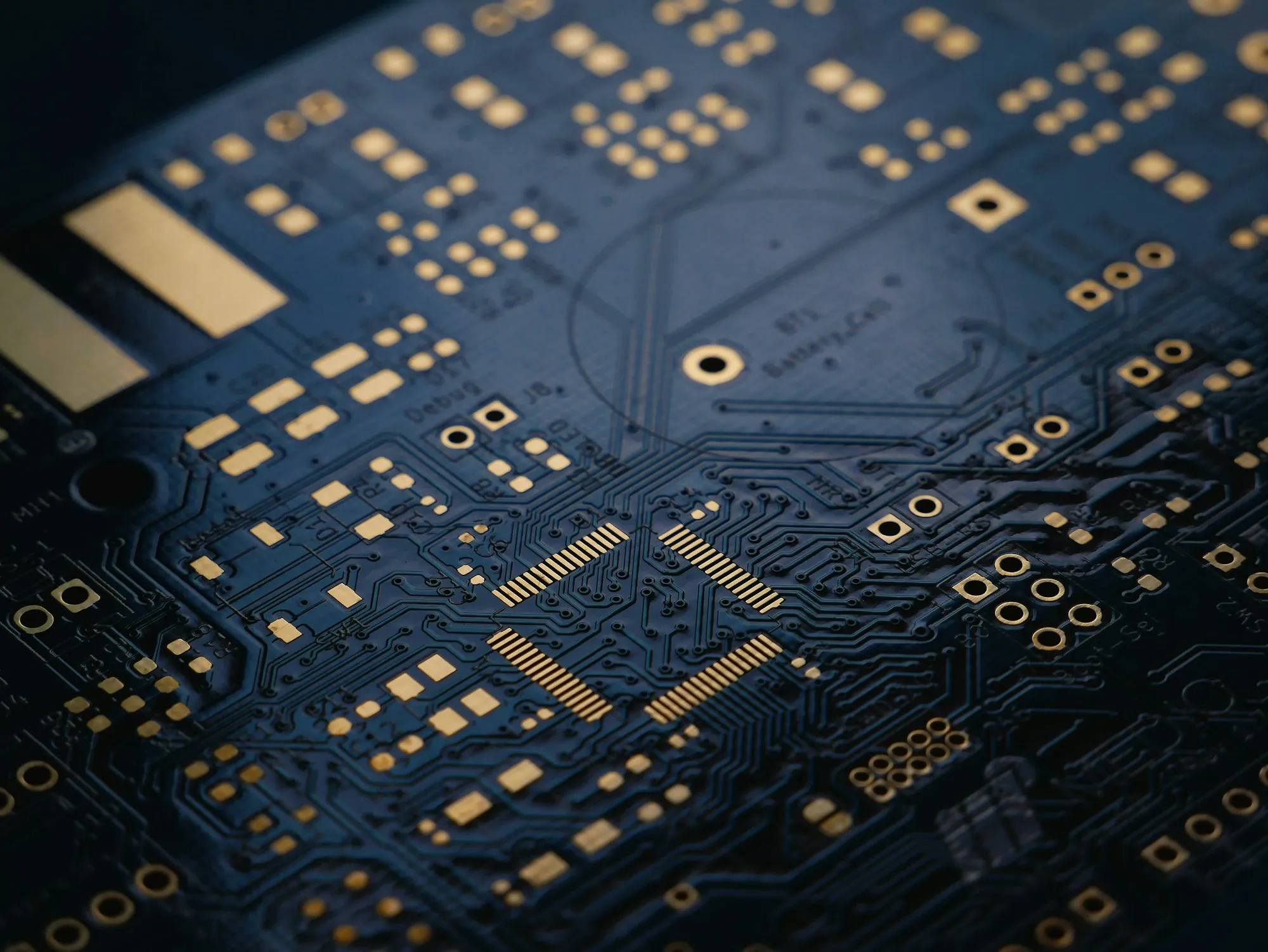
Component and trace detail on a dark blue control board

Hardware capability

Six control-hardware families, combined around the device

This phase describes capability rather than catalogue models. Resolution, refresh, interface count, loading and latency figures are defined per project and published only after prototype verification.

Control core
FPGA / MCU
Chain hardware
Sending / receiving cards
Integration
Control modules / interface boards

CAPABILITIES

Six entry points

Hardware capability grouped by position in the control chain

HQControl provides high-speed display control hardware and ODM development for advertising screens, commercial displays and custom display systems.

FPGA Display Control Hardware — FPGA-based control hardware for high-speed display links, pixel processing, timing control and multi-interface output.

FPGA Display Control Hardware

FPGA-based control hardware for high-speed display links, pixel processing, timing control and multi-interface output.

  • FPGA control logic defined around the customer’s complete-device requirements
  • Suitable for sending-side control, receiving-side links and custom display structures
  • Board-level implementation, prototype bring-up and validation
MCU Control Systems — MCU control systems for display-device state control, interface management, peripheral coordination and device logic.

MCU Control Systems

MCU control systems for display-device state control, interface management, peripheral coordination and device logic.

  • Buttons, communication, sensing, power-state and peripheral control
  • Combines with FPGA display links, receiving cards and interface boards
  • Embedded firmware coordination and hardware/firmware debugging
Sending Cards / Output Control Units — Sending-card and output-control-unit development for display signal input, processing, distribution and output.

Sending Cards / Output Control Units

Sending-card and output-control-unit development for display signal input, processing, distribution and output.

  • Signal input, processing and routing at the display front end
  • Distribution and transmission planning to receiving-side hardware
  • Display output validation against project specifications
Receiving Cards / Module Control — Receiving-side control hardware for LED modules, commercial display units and custom display structures.

Receiving Cards / Module Control

Receiving-side control hardware for LED modules, commercial display units and custom display structures.

  • Receiving-side and module-side control chain
  • Display-driver interface planning for custom structures
  • Signal-chain stability and batch-consistency checks
Display Control Modules — Integrable control boards, interface boards and modular hardware for advertising screens, small display products and custom devices.

Display Control Modules

Integrable control boards, interface boards and modular hardware for advertising screens, small display products and custom devices.

  • Control and interface boards sized to the customer enclosure
  • Modular hardware that device manufacturers can integrate directly
  • Interface definition, test points and documentation support
Custom Interface Boards — Adapter and interface boards that bridge an existing main controller, display module or harness to the rest of the control chain.

Custom Interface Boards

Adapter and interface boards that bridge an existing main controller, display module or harness to the rest of the control chain.

  • Interface conversion, connector re-layout and harness adaptation
  • Protection, power routing and test points sized to the enclosure
  • Useful where an existing platform only needs the boundary re-worked

IN THE CHAIN

Not isolated boards

Each family maps to a position on the chain

A customer rarely needs only one board. Once the chain is fixed, it becomes clear what belongs on the sending side, the receiving side, or an interface board.

  1. 01 Signal Input
  2. 02 FPGA / MCU Control
  3. 03 Sending / Output Unit
  4. 04 Transmission Link
  5. 05 Receiving / Module Control
  6. 06 Display Output
  7. 07 Production Test
HQControl works across the whole chain rather than a single board. The interface, timing and test boundary of each stage is defined during architecture.

SPECIFICATION

Common questions

Specification and selection guidance

How FPGA and MCU are chosen, what a custom board covers, and which figures only appear after verification.

What should the HQControl website focus on?

Control hardware and ODM services behind advertising screens, commercial displays and custom display devices, including FPGA, MCU, sending cards, receiving cards, control units, display control modules, prototype validation and production-test cooperation.

Is HQControl a software platform or SaaS company?

No. We write firmware and control logic because control hardware needs it, and we define the command interface a customer’s own system talks to. We do not sell a cloud application, a software platform or a subscription service.

Which display control hardware can be customized?

Project work can cover FPGA control hardware, MCU control systems, sending cards, receiving cards, control units, interface boards and display control modules. Exact specifications, interfaces, size and production terms are confirmed per project.

Can the site publish performance specifications?

Only confirmed specifications are published, including resolution, refresh, interfaces, latency, power, operating temperature, certifications and production capacity. Before confirmation, capability-level wording is used.

How is the ODM process structured?

Requirement review, solution definition, schematic/PCB work, prototype build, firmware debugging, validation testing, BOM/sourcing coordination, pilot build and production support.

PROJECT MATERIAL

Organised per project

Beyond the hardware, archivable engineering material

There is no public download centre yet. During a project, interface definitions, BOM versions, prototype test records, firmware versions and production notes are organised by stage and handed to the customer team.

Interface definition
Connectors, pinout, direction and harness notes
BOM version
Key components, alternatives and supply-risk notes
Test records
Prototype test items, results and issue list
Firmware version
Version naming, programming files and test commands

Project inquiry

Turn display requirements into validated, manufacturable control hardware

Share display type, target specifications, interface requirements and project stage. We review the control hardware approach and ODM cooperation model; pricing and lead time follow project review.

Helpful to include

  • Screen size, pixel pitch, module layout and target resolution
  • Input source, control distance, sending/receiving count and cabling
  • Enclosure space, connector direction, power, temperature rise and service access
  • Test patterns, long-run checks, restart recovery and the factory-test standard
  • Existing boards, BOM, schematics or fault samples, if any
  • Estimated volume, project stage and target schedule