

Advertising Screen Control Hardware
Control boards, sending/receiving links and integration support for indoor and outdoor advertising screens, digital posters and commercial-space displays.
Display control hardware · FPGA / MCU · ODM
HQControl designs FPGA and MCU display control hardware, supplies standard display control cards and standalone power, and runs China-connected ODM engineering from requirement review to pilot production.
Available hardware
Available hardware
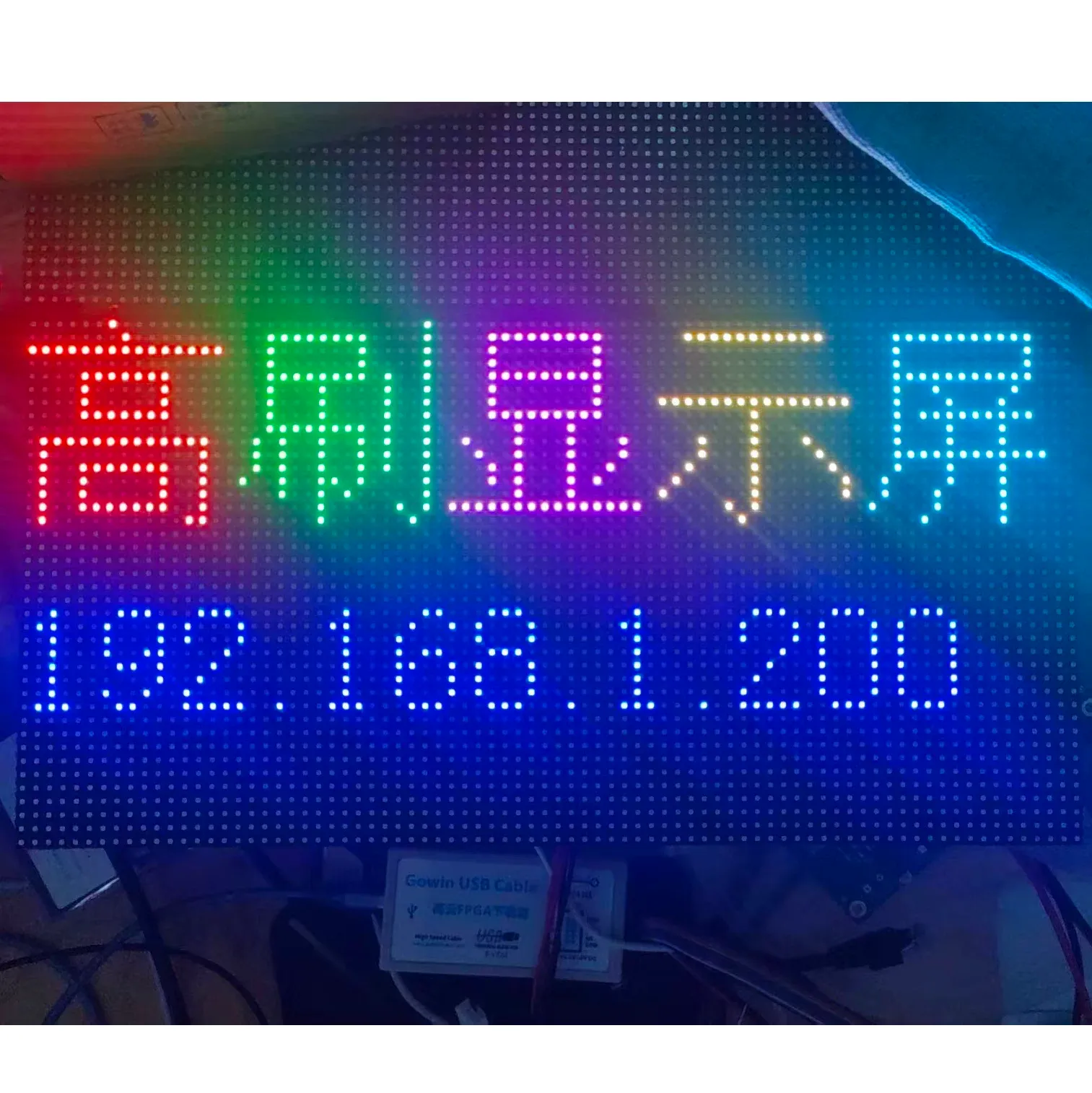
Standard display control cards, the P2.5 240×80 LED module and standalone power supplies are available now. Firmware, protocol and display adaptation are quoted per project.
Approved price anchors
These three anchors are approved for publication. Other variant prices are derived and stay under review until they are confirmed.
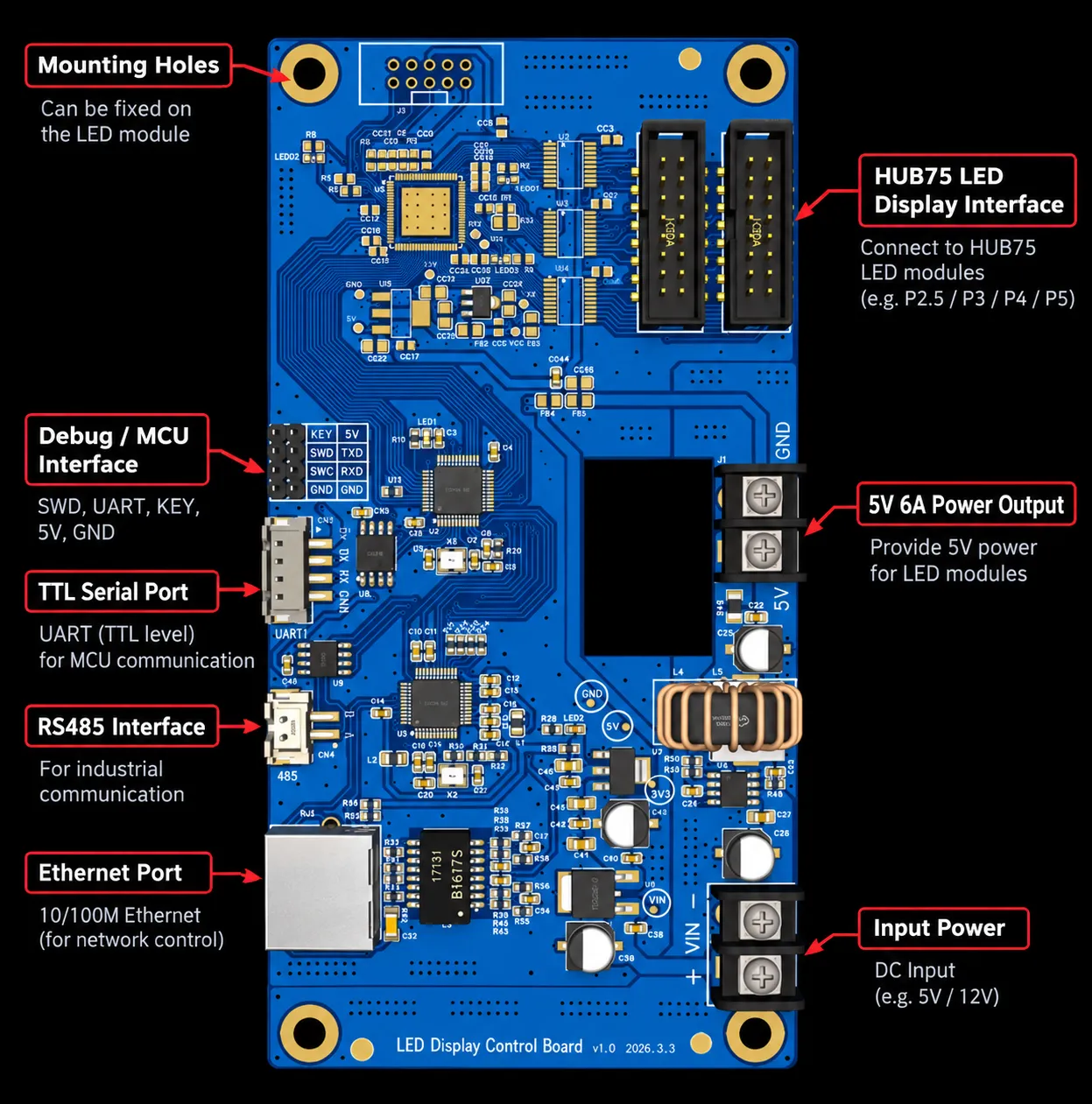
Lowest MCU control card
MCU Serial Display Control Card — Single Output
US$79
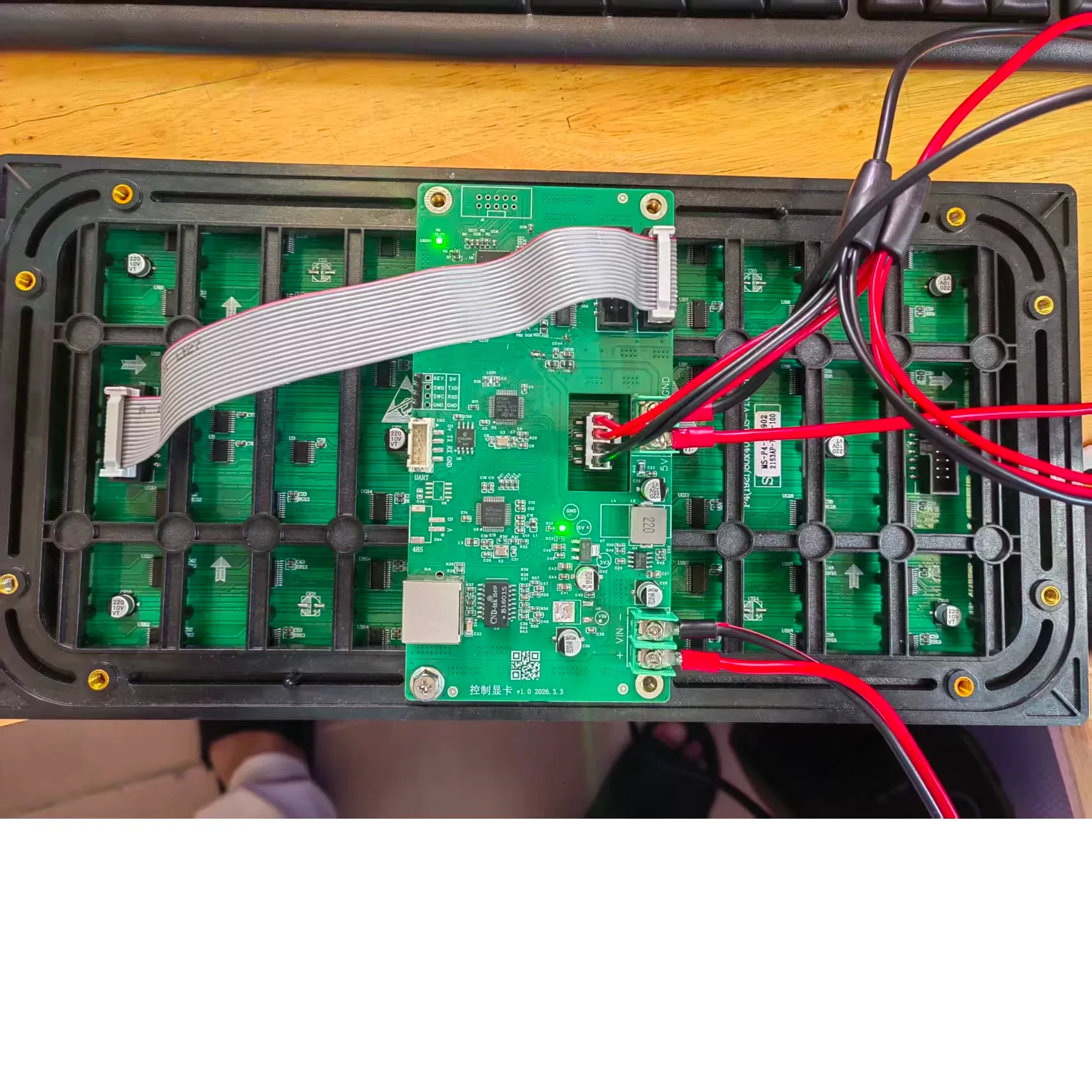
Display control card, MCU I/O
Display Control Card with MCU I/O Interface
US$90
Standalone power supply
5V/6A Standalone Power Supply
US$3
Standard configuration only. Firmware changes, display adaptation, protocol development, interface customization, ODM, shipping and tax are quoted separately.
Standard HardwareControl chain
Capability
Sending-side control, receiving-side links, display-module control, interface boards and production-test entry points are defined as one chain rather than isolated parts.
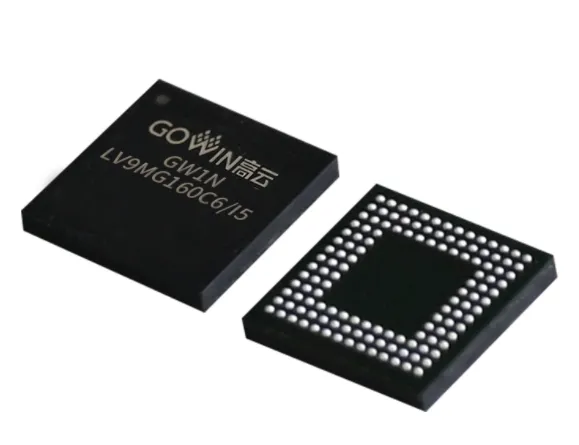
GOWIN FPGA · CHINA CHIP & SUPPLY-CHAIN ADAPTATION
ODM process
ODM process
Each stage states what the customer supplies, what is worked on and what is handed back.
Clarify display type, application scenario, screen size or resolution, refresh needs, input/output interfaces, control method, installation environment, mechanical limits, target cost, planned quantity and project stage. The aim is not an immediate quote but turning a vague requirement into engineering questions that can be judged.
Break the requirement into source, control core, sending/output unit, transmission link, receiving/module control, display output, power, structure, firmware and production-test boundaries — and decide what the FPGA carries, what the MCU carries, and whether separate sending, receiving or interface boards are needed.
Develop schematic, PCB, key component selection, BOM, test points, interface definition and board-version management. PCB work accounts for high-speed signal integrity, power stability, thermal path, connector position, assembly, production test and later repair — designed for manufacture, not only for the lab.
Develop and debug FPGA control logic, MCU firmware, interface communication, power-on sequence, status feedback, exception handling and the debugging workflow — locating whether an issue sits at the input, the control logic, the transmission link, the receiving side, the module, power, mechanical interference or the firmware flow.
Validate power-on, communication, display output, interface link, timing, sync, stability, basic aging and issue reproduction. The point is not a single demonstration but confirming the approach is ready to be revised, piloted and integrated into the customer device.
Support component sourcing, alternative-part review, test fixtures, test workflow, acceptance criteria, batch records, packaging and supply-chain issue closure. The cooperation model, test scope and delivery boundary are confirmed per project rather than promised as a fixed lead time.
Adjacent line
Adjacent engineering line
Sensor interfaces, FPGA data paths, trigger synchronization and complete-device hardware integration for high-speed cameras, automatic timing and custom imaging equipment.
HQControl's chief engineer previously led the hardware design of complete FAT (Fully Automatic Timing) systems. This capability is presented as the chief engineer's prior system-level experience, not as an HQControl-owned FAT product or customer case.
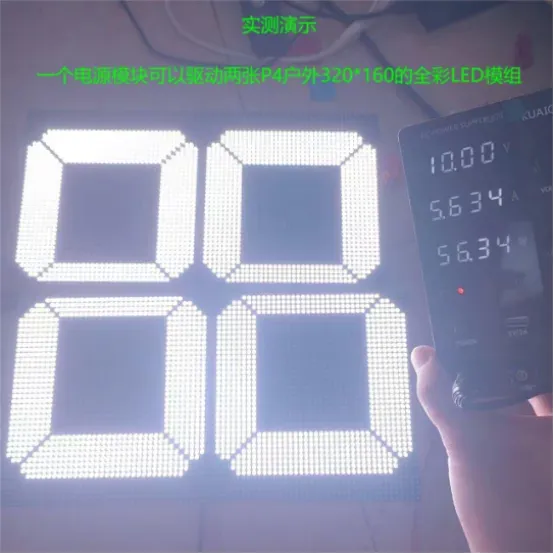
Applications
Applications
Customer-facing display systems first; the FPGA, MCU, sending/receiving and interface hardware sits underneath.
Control boards, sending/receiving links and integration support for indoor and outdoor advertising screens, digital posters and commercial-space displays.

Embedded control hardware customization for stores, malls, product displays, information screens and interactive display devices.
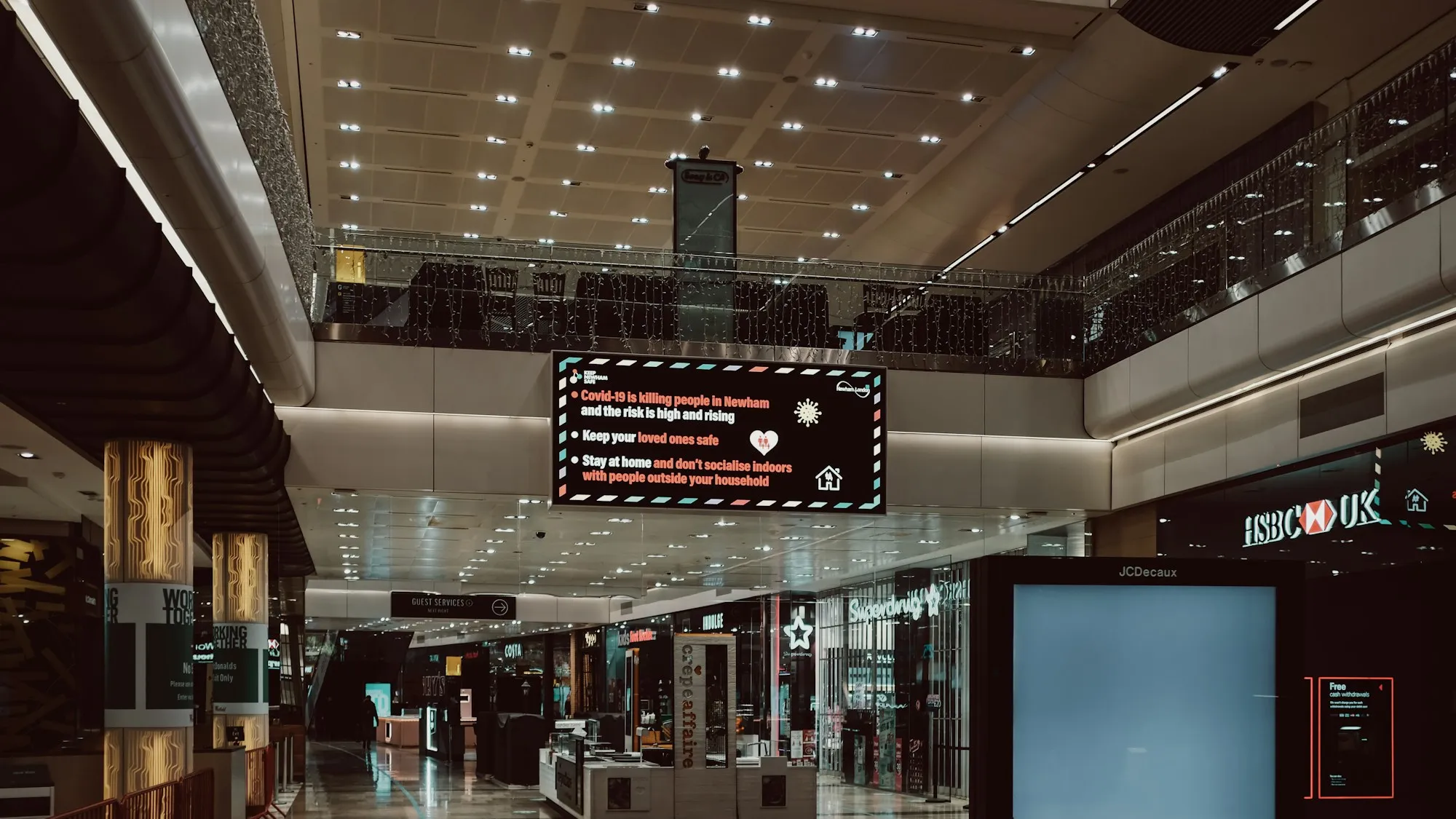
Control cores, interface boards, display control modules and prototype validation for commercial display manufacturers.
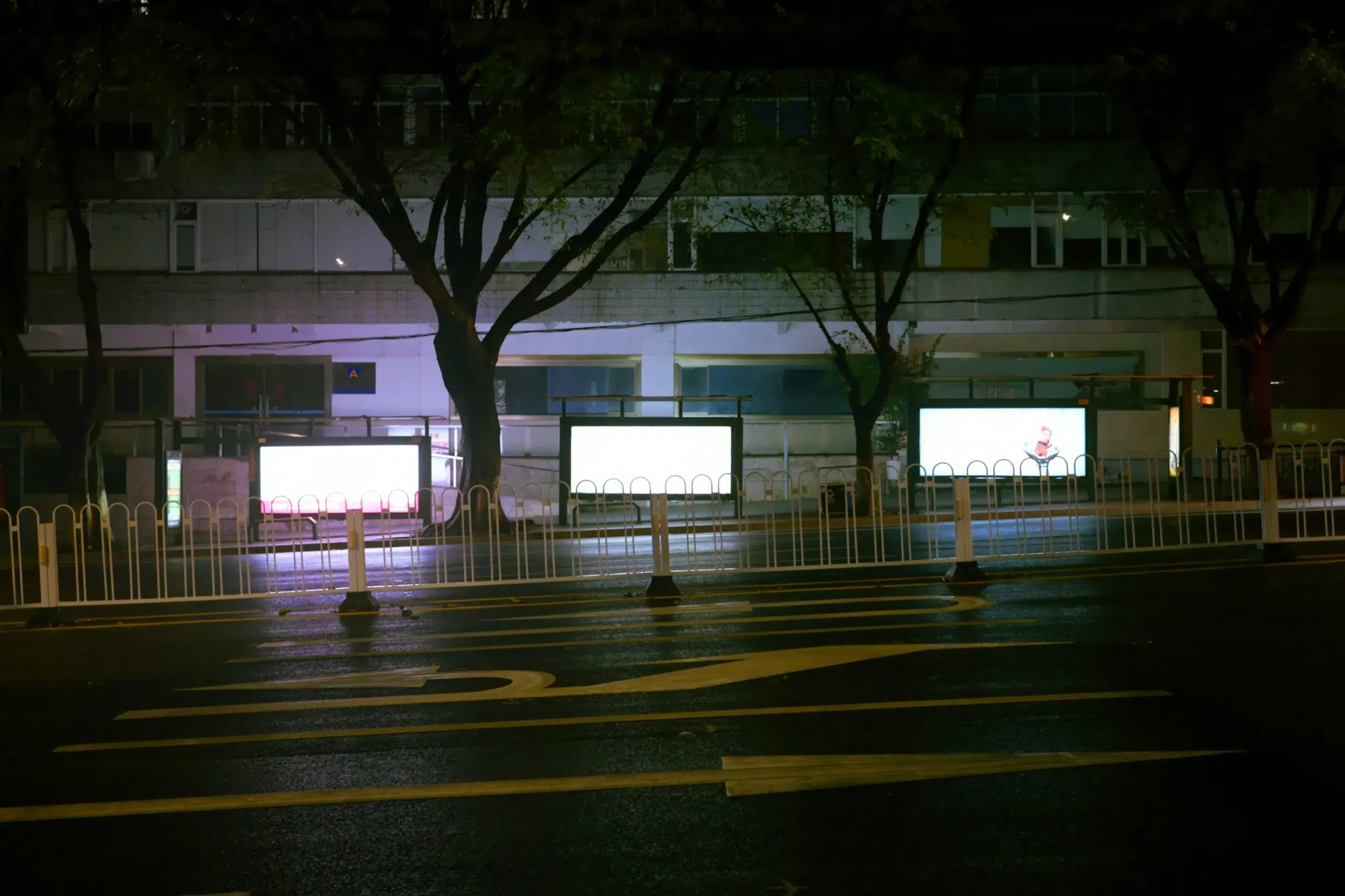
Signal-link, receiving-side control, reliability and production-test support for outdoor LED display systems.
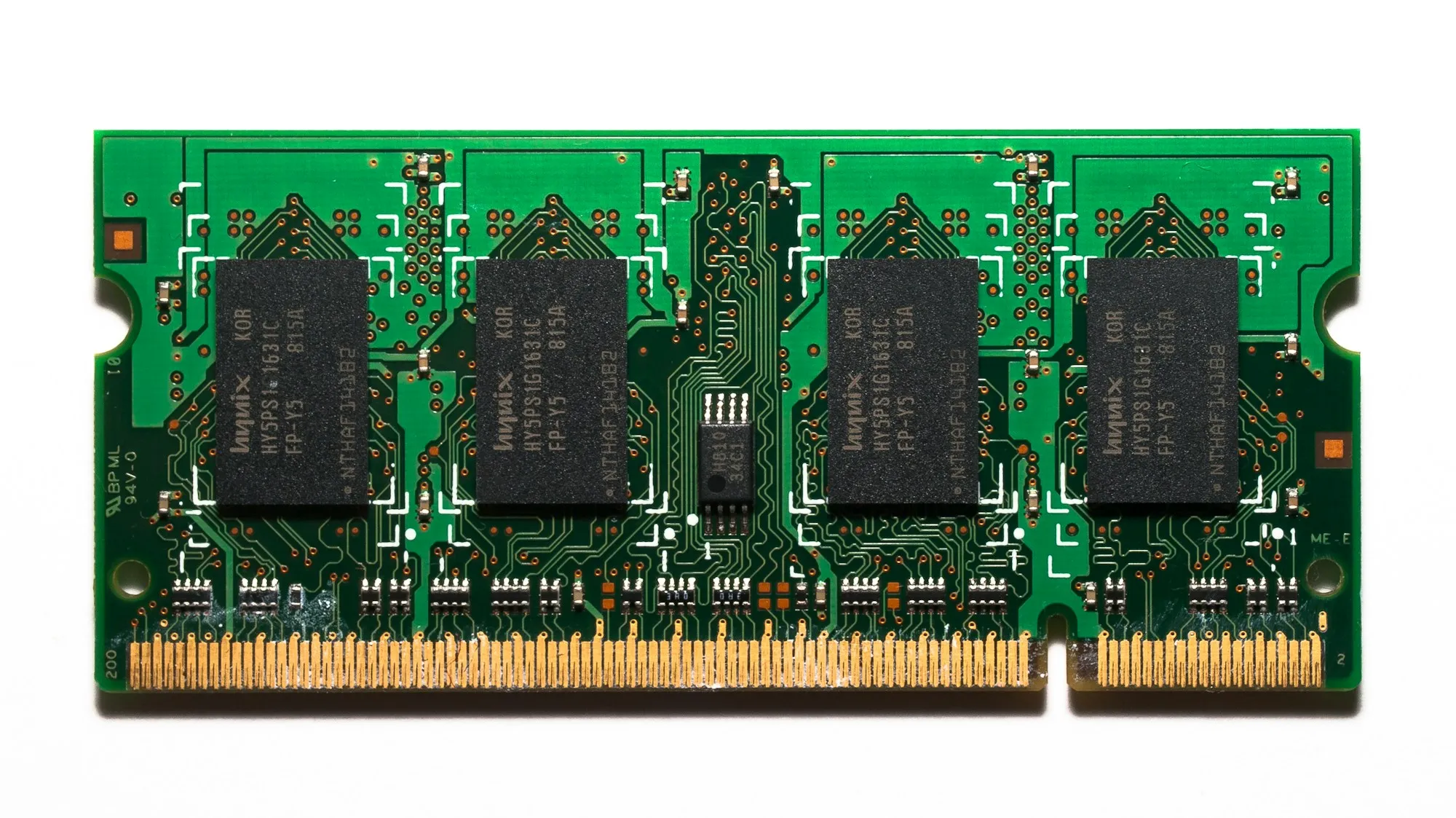
MCU and interface-board development for small commercial displays, information terminals, device screens and custom control units.

Co-define structure, control, interfaces, supply chain and validation workflow to deliver hardware adapted to a specific display product.
Manufacturing & test
Manufacturing & test
HQControl coordinates component sourcing, production test workflow and pilot build with cooperating manufacturing partners.
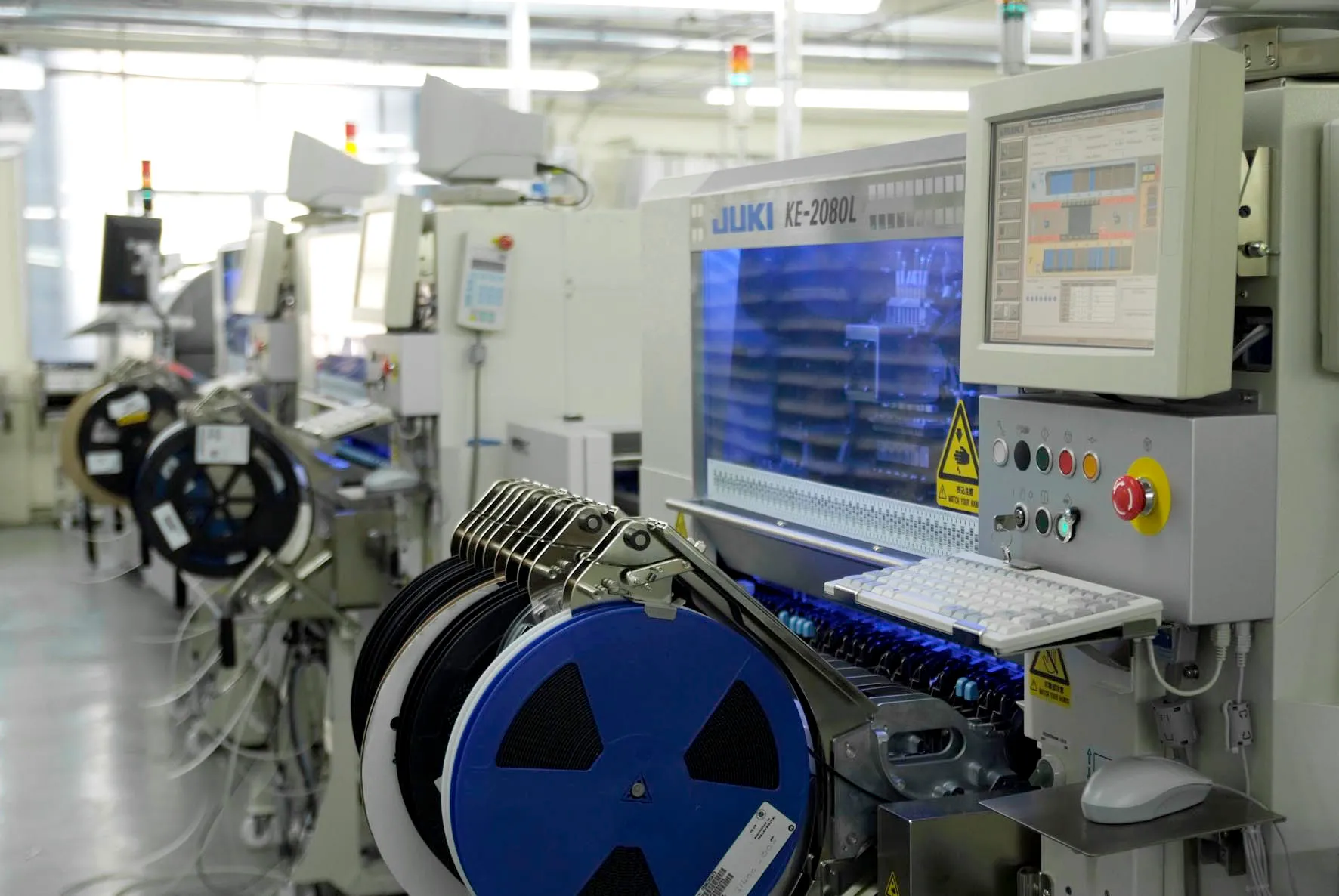
Prototypes and engineering samples track PCB version, BOM, firmware version, interface definition, test records and issue lists.
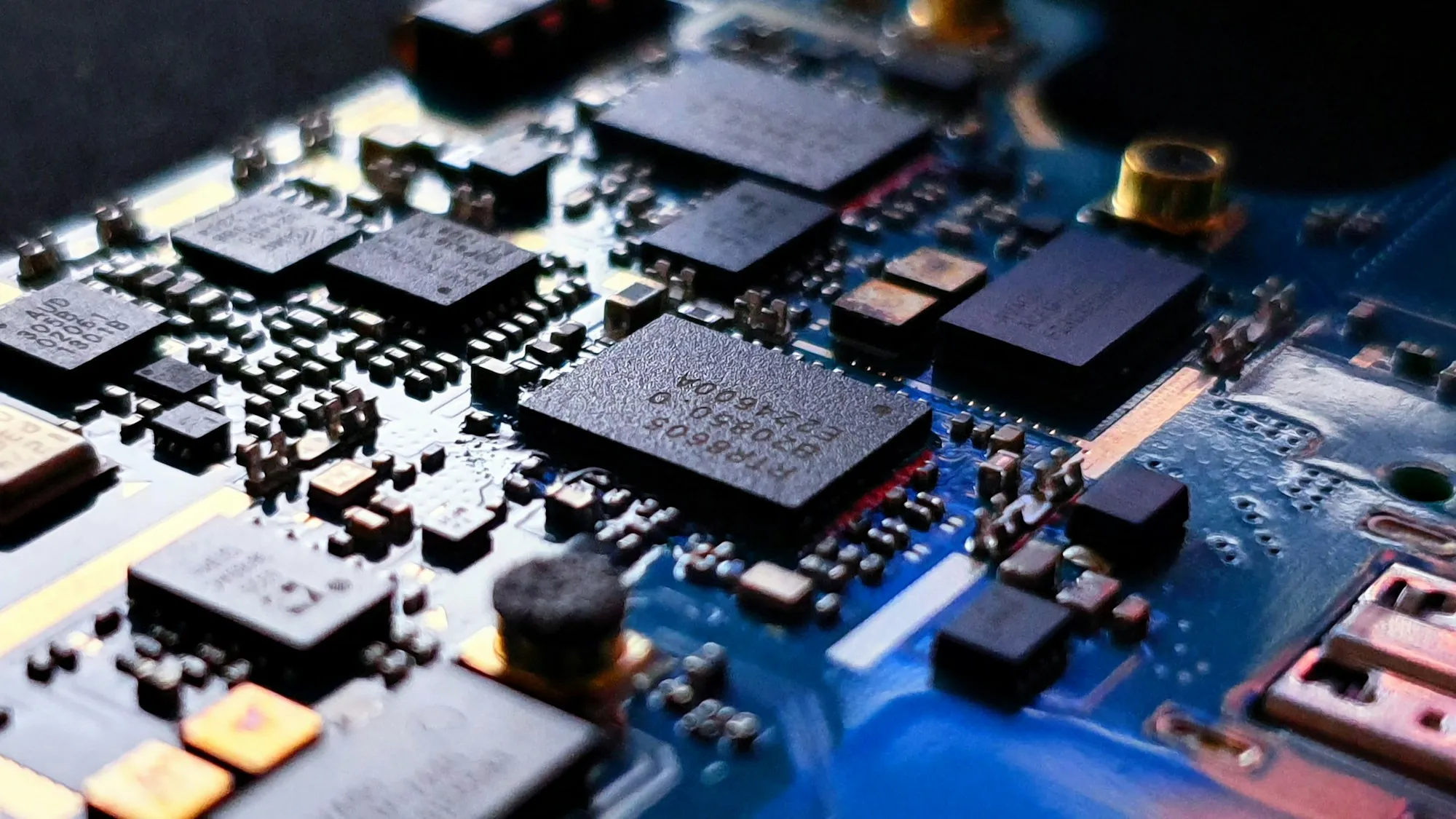
Component sourcing considers key chip availability, alternatives, lifecycle, lead time and batch consistency.
Production testing covers power-on, interfaces, display output, communication, aging, appearance and key functional checks; exact scope follows the project specification.
Project inquiry
Share display type, target specifications, interface requirements and project stage. We review the control hardware approach and ODM cooperation model; pricing and lead time follow project review.
Helpful to include